
Getting a diagnosis of Chronic Kidney Disease (CKD) can feel overwhelming, especially when your doctor starts talking about "stages" and numbers you don't fully understand. If you've just received this diagnosis, you're probably wondering: how serious is this, what does my stage mean, and what should I do now? This guide breaks down the stages of CKD in simple terms, helps you understand where you stand, and outlines what steps come next.
What Is CKD and Why Do Stages Matter?
Chronic Kidney Disease means your kidneys have been damaged over time and are gradually losing their ability to filter waste and excess fluid from your blood. Unlike acute kidney injury, which happens suddenly, CKD develops slowly — often over months or years.
Doctors classify CKD into stages because the disease progresses gradually, and the stage you're in determines your treatment plan, lifestyle adjustments, and monitoring frequency. Identifying your stage early can make a significant difference in slowing progression and preserving kidney function for as long as possible.
How Are CKD Stages Determined?
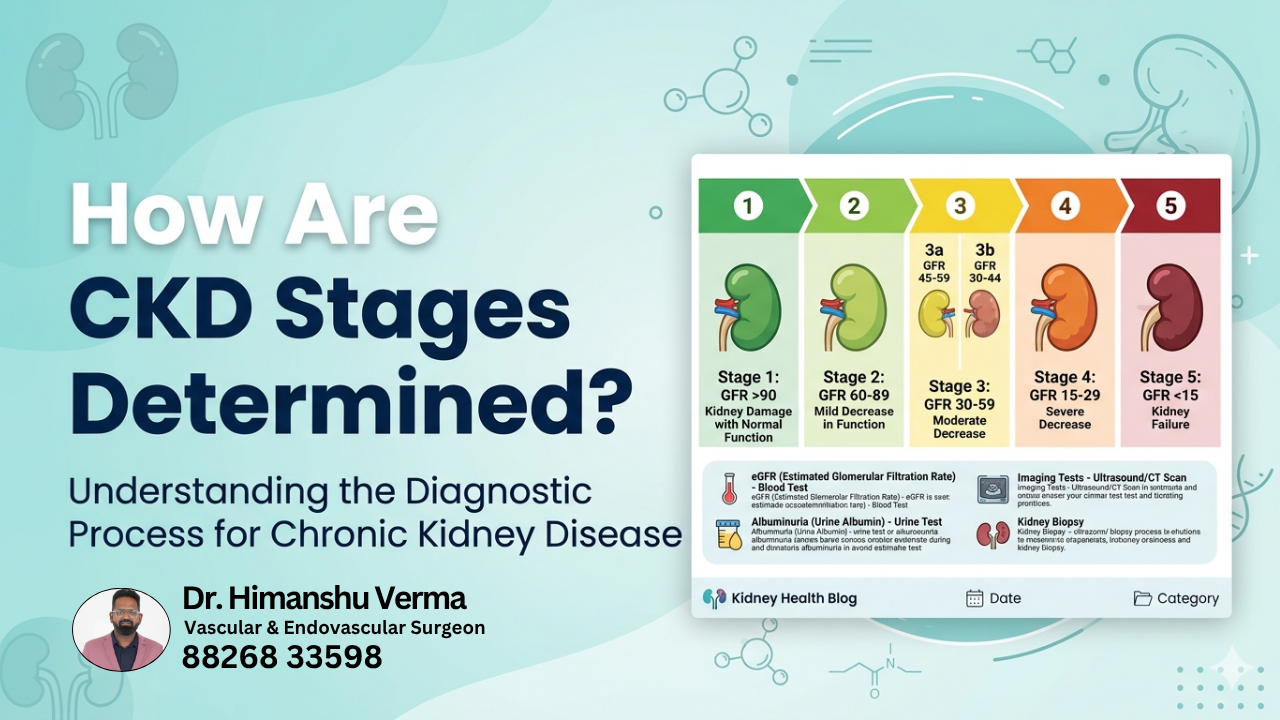
The primary tool used to determine your stage is the GFR (Glomerular Filtration Rate) — a number that estimates how well your kidneys are filtering blood. This is calculated using a simple blood test (serum creatinine) along with your age, sex, and body size.
Doctors also look at albumin levels in urine (ACR test), since protein leaking into urine is an early sign of kidney damage, even when GFR is still normal.
Breaking Down the Stages of CKD
There are five recognized stages of CKD, ranging from mild kidney damage to complete kidney failure.
Stage 1 — Normal or High GFR (GFR 90 or above)
At this stage, kidney damage is present, but the kidneys are still filtering normally. Most people have no symptoms at all. This stage is often discovered incidentally through routine blood or urine tests.
Stage 2 — Mild Decrease (GFR 60-89)
Kidney function is mildly reduced. Symptoms are usually still absent or very subtle, such as slight fatigue. Many people don't realize anything is wrong at this point.
Stage 3 — Moderate Decrease (GFR 30-59)
This stage is often split into 3a (GFR 45-59) and 3b (GFR 30-44). Symptoms may start becoming noticeable — fatigue, swelling in the feet and ankles, changes in urination, and back pain. This is typically when people first start asking questions about CKD symptoms because they finally feel something is off.
Stage 4 — Severe Decrease (GFR 15-29)
Kidney function is significantly impaired. Symptoms become more pronounced, including nausea, loss of appetite, muscle cramps, difficulty concentrating, and noticeable swelling. At this stage, planning for future kidney replacement therapy options usually begins.
Stage 5 — Kidney Failure (GFR below 15)
Also called End-Stage Renal Disease (ESRD), this is when the kidneys can no longer keep up with the body's needs on their own. Common chronic kidney disease stage 5 symptoms include severe fatigue, persistent nausea and vomiting, swelling, shortness of breath, muscle cramps, loss of appetite, confusion, and difficulty concentrating. At this stage, dialysis or a kidney transplant becomes necessary to replace kidney function.
Common Symptoms to Watch For
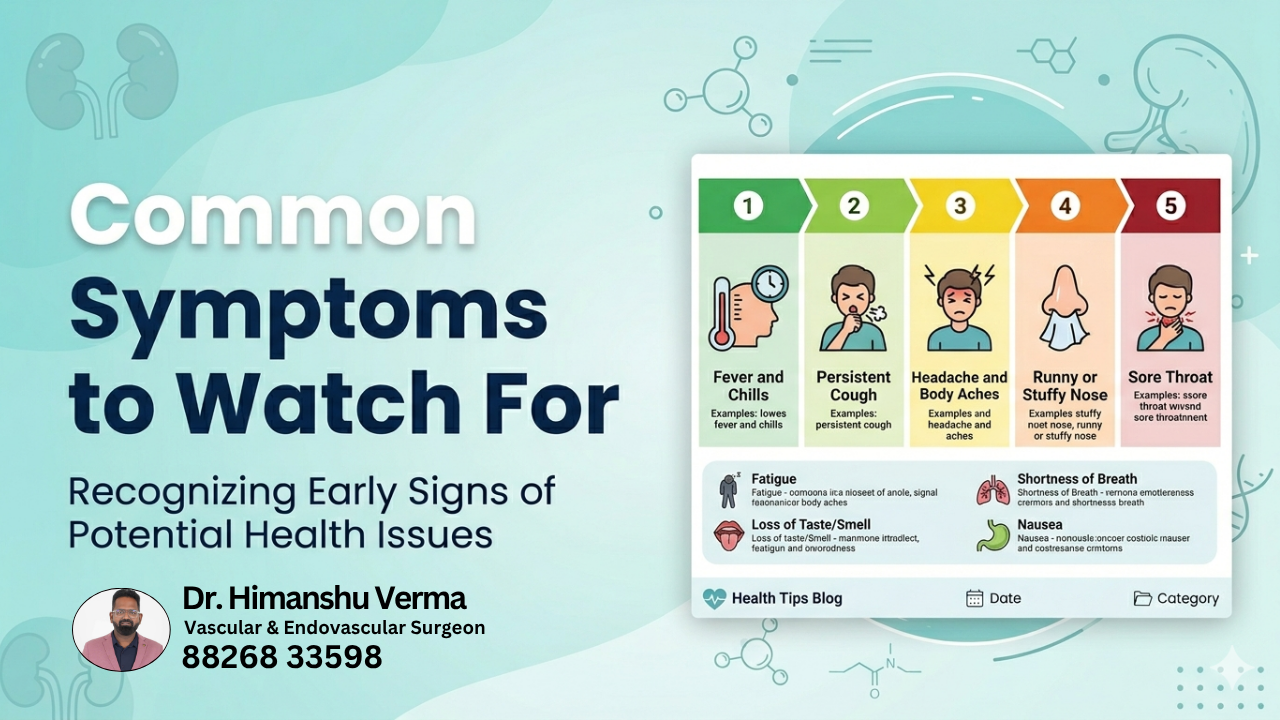
Many CKD patients don't experience noticeable symptoms until the disease has progressed to stage 3 or beyond. This is why CKD is sometimes called a "silent" condition. Watch out for:
Persistent fatigue and weakness
Swelling in legs, ankles, or face
Changes in urination frequency or appearance (foamy, dark, or bloody urine)
Loss of appetite and nausea
Difficulty sleeping
Muscle cramps, particularly at night
Persistent itching
Shortness of breath
If you're experiencing several of these symptoms, especially alongside risk factors like diabetes or high blood pressure, it's worth getting your kidney function checked.
What Comes Next After Diagnosis?
Once you know which stage you're in, the focus shifts to two things: slowing further decline and managing symptoms.
For Stages 1-2: Lifestyle changes are usually the primary intervention — controlling blood pressure, managing blood sugar if diabetic, reducing salt intake, staying hydrated, and avoiding medications that can stress the kidneys (like certain painkillers).
For Stage 3: Closer monitoring becomes essential, along with dietary adjustments (reducing protein, sodium, and potassium intake as advised), medication reviews, and regular follow-ups with a nephrologist.
For Stage 4: This is the stage where preparation matters most. Conversations about future treatment pathways, including vascular access planning for dialysis, typically begin here — even before dialysis is actually needed — because preparing access in advance leads to better outcomes.
For Stage 5: Active management of kidney failure begins, which usually involves dialysis or transplant evaluation.
A Word on Living With CKD
A CKD diagnosis isn't a single fixed outcome — many people live for years, even decades, with proper management. The key is consistency: regular check-ups, medication adherence, dietary discipline, and staying alert to changes in how you feel. Every CKD patient's journey looks a little different depending on the underlying cause (diabetes, hypertension, autoimmune conditions, or genetic factors), so personalized care matters more than generic advice.
When to Consult a Specialist
If you've been diagnosed with CKD, especially at stage 3 or beyond, it's important to work closely with a team that includes both a nephrologist and, when needed, a vascular specialist. Dr. Himanshu Verma, a Vascular and Endovascular Surgeon at Fortis Hospital, Gurgaon, plays a crucial role for patients approaching advanced stages of CKD.
While the treatment of CKD largely focuses on slowing disease progression through medication and lifestyle management, patients reaching stage 4 or 5 often need a reliable, well-functioning vascular access for dialysis — and this is where timely surgical planning makes a real difference. Creating an AV fistula or graft well before dialysis becomes urgent allows it to mature properly, reducing complications and the need for temporary catheters.
As an experienced Dialysis Access Surgeon in Gurgaon, Dr. Verma works alongside nephrologists to evaluate the right type and timing of vascular access based on each patient's vein health, overall condition, and CKD stage — ensuring patients are surgically prepared well before dialysis becomes a necessity.
If you or a loved one has been recently diagnosed with CKD and wants to understand the next steps, including access planning for the future, consult Dr. Himanshu Verma at Fortis Hospital, Gurgaon, for a thorough evaluation and personalized care plan.