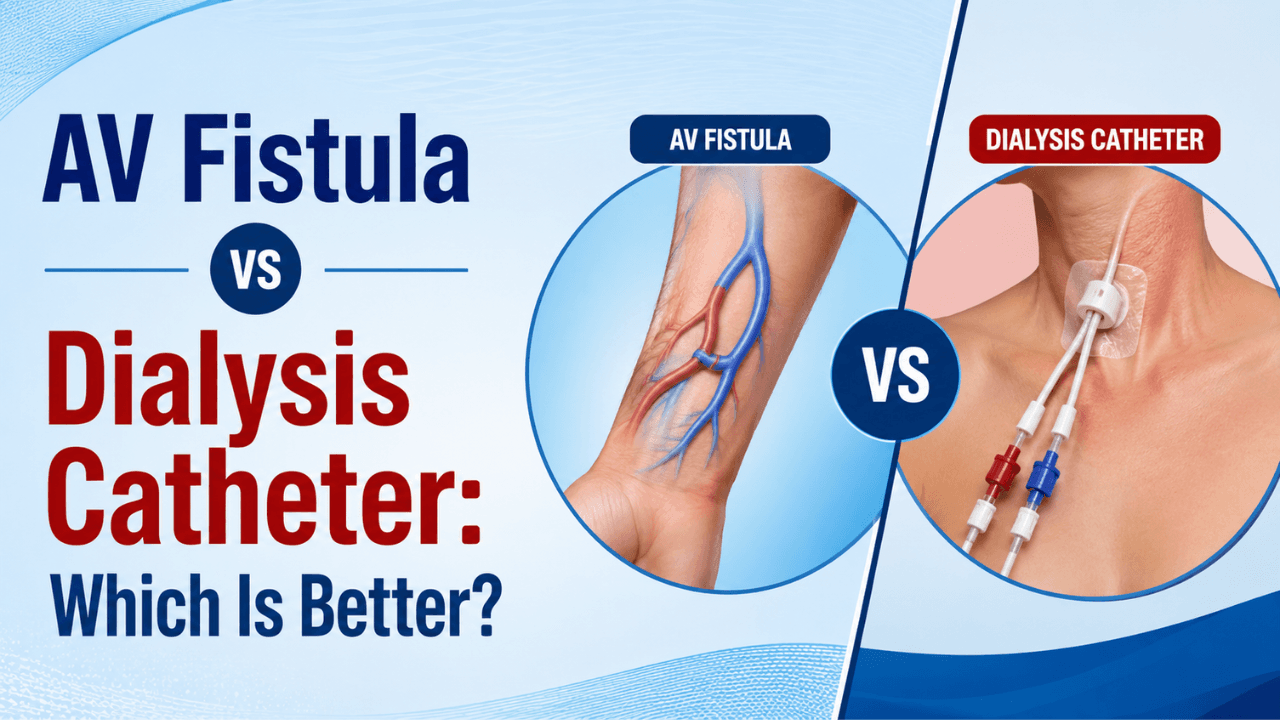
If you or a loved one has been diagnosed with kidney failure and needs dialysis, one of the first and most important decisions you'll face is choosing the right type of vascular access. Two of the most common options are an AV fistula and a dialysis catheter. While both allow blood to be drawn out, filtered, and returned to the body during dialysis, they are very different in how they work, how long they last, and how safe they are for long-term use.
As a vascular and endovascular surgeon, I'm often asked by patients and their families: "AV fistula vs dialysis catheter — which is better for me?" This blog breaks down the differences in detail so you can have an informed conversation with your nephrologist and vascular surgeon before making a decision.
What is an AV fistula?
An arteriovenous (AV) fistula is a surgically created connection between an artery and a vein, usually in the arm. This connection allows arterial blood — which flows under higher pressure — to move directly into the vein. Over several weeks, the vein enlarges and its walls thicken in response to the increased blood flow, a process called "maturation." Once matured, the vein can be repeatedly and safely punctured with dialysis needles, providing reliable, high-flow access for years.
AV fistulas are widely regarded as the gold standard for hemodialysis access because they are made from the patient's own blood vessels, carry the lowest risk of infection, and tend to last the longest of all access types.
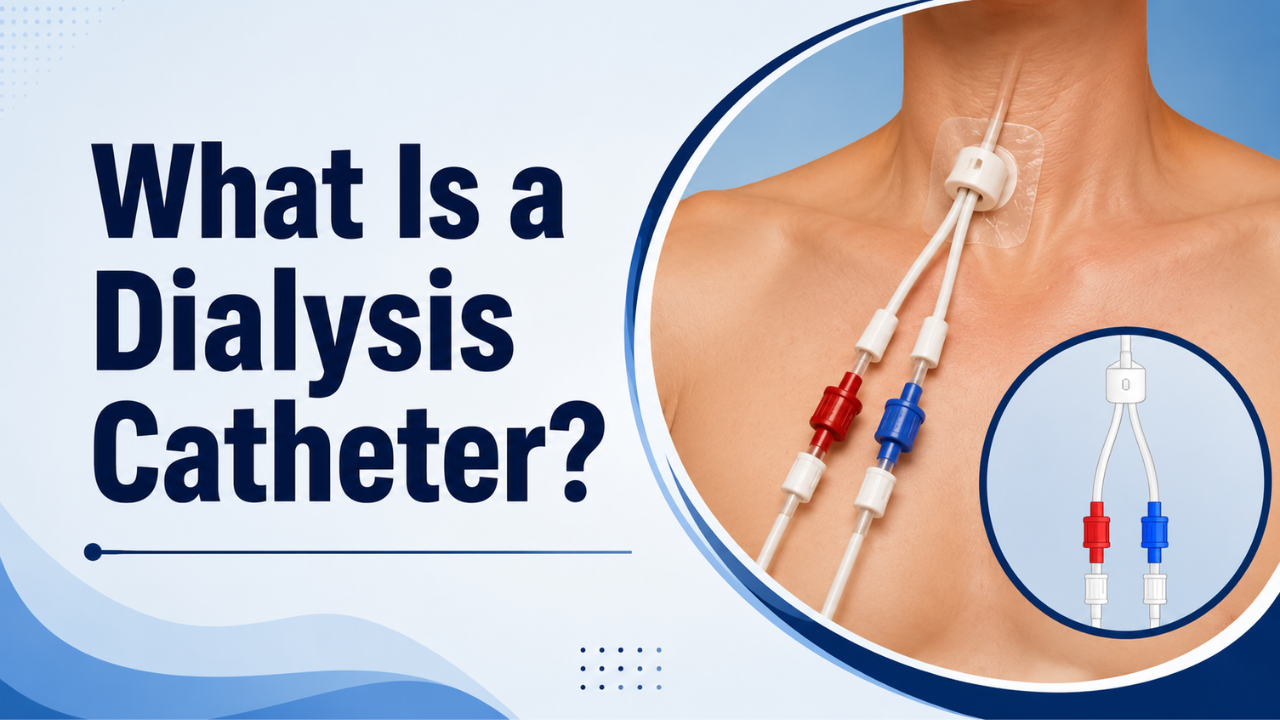
What Is a Dialysis Catheter?
AV Fistula vs Dialysis Catheter: Key Differences
Factor | AV Fistula | Dialysis Catheter |
Time to use | 6–12 weeks maturation period | Can be used immediately |
Infection risk | Lowest among all access types | Highest — direct line into central vein |
Blood flow rate | High, efficient dialysis | Lower, less efficient over time |
Longevity | Can last years with proper care | Prone to clotting, degradation over weeks to months |
Clot (thrombosis) risk | Lower | Higher |
Central vein damage/stenosis | Rare | More common with prolonged use |
Patient mobility & comfort | High, no external tube | Restricted, external tube limits activity, bathing |
Cosmetic appearance | Visible but subtle vein enlargement | Visible external catheter and dressing |
Hospitalization risk | Lower | Higher, due to infection and catheter-related complications |
AV Fistula Creation: What the Procedure Involves
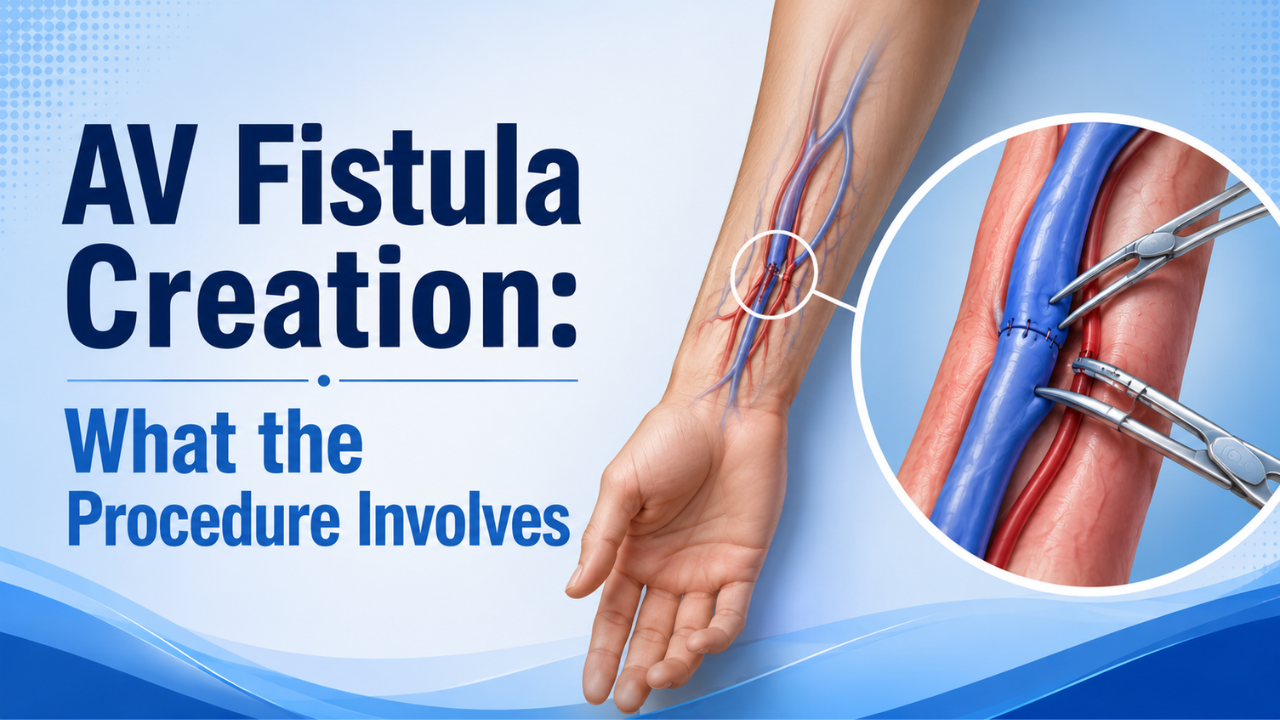
AV fistula creation is typically performed under local anesthesia as a day-care or short-stay procedure. The surgeon identifies a suitable artery and vein — commonly in the wrist (radiocephalic fistula) or the elbow (brachiocephalic fistula) — and joins them together surgically.
Key points about the procedure:
Pre-operative vein mapping: An ultrasound assessment of the arm's arteries and veins is done beforehand to select the best site and improve the chances of successful maturation.
Surgical connection: The artery and vein are joined, allowing arterial blood flow into the venous system.
Maturation period: Over 6 to 12 weeks, the vein widens and thickens ("arterializes"), preparing it for repeated needle access.
Monitoring: Regular follow-up, sometimes with Doppler ultrasound, ensures the fistula is maturing well before it's used for dialysis.
Because AV fistula creation uses the patient's own vessels rather than synthetic material, it carries a much lower risk of infection and clotting compared to grafts or catheters, and is associated with better long-term survival outcomes for dialysis patients.
AV Fistula for Dialysis Complications: Why It's Often Preferred
One of the strongest arguments for choosing an AV fistula for dialysis is the significant reduction in complications compared to catheters. Some of the well-documented benefits include:
Lower infection rates: Since there's no external tube penetrating the skin, the risk of bloodstream infections is dramatically reduced compared to catheters.
Reduced hospitalizations: Catheter-related infections and malfunctions are a leading cause of hospital admissions in dialysis patients; fistulas substantially lower this risk.
Better dialysis efficiency: Fistulas support higher blood flow rates, which allows for more effective toxin removal during each session.
Fewer central vein complications: Long-term catheter use can damage central veins, leading to narrowing (stenosis) that may compromise future access options. Fistulas avoid this risk.
Improved long-term survival: Multiple studies have linked AV fistula use with lower mortality rates compared to catheter-dependent dialysis patients.
That said, fistulas are not without their own potential complications, including failure to mature (non-maturation), aneurysm formation, or in rare cases, a condition called "steal syndrome," where blood is diverted away from the hand, causing coldness or numbness. These risks are why an experienced vascular surgeon should always manage fistula creation and follow-up.
When Is a Catheter Still Necessary?
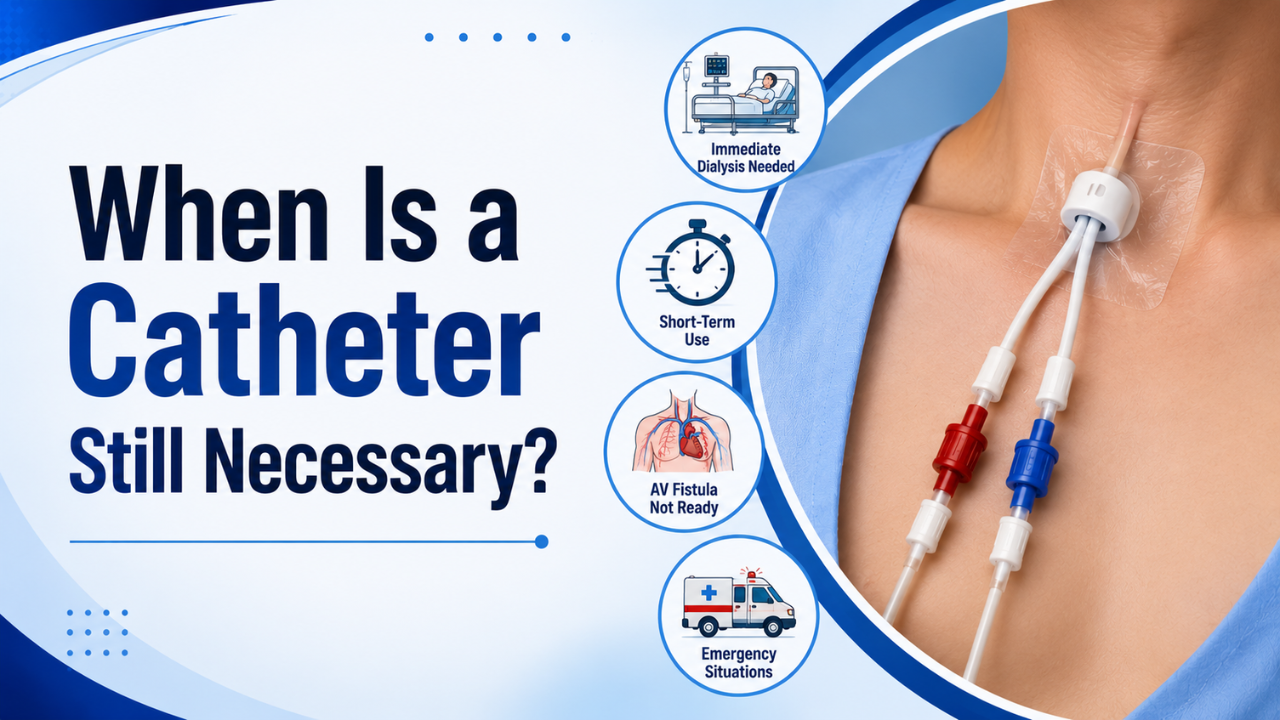
Despite its drawbacks, a dialysis catheter is sometimes the right — or only — choice, particularly when:
Dialysis is needed urgently and there's no time to wait for a fistula to mature
The patient's veins are unsuitable for fistula creation (assessed through vein mapping)
A fistula or graft has been created but hasn't matured yet
The patient is only expected to need dialysis for a short period (e.g., acute kidney injury)
In these situations, a catheter serves as a temporary bridge while a more permanent access, like a fistula, is planned and matures.
Making the Right Choice for Your Vascular Access
Choosing between an AV fistula and a dialysis catheter isn't a one-size-fits-all decision. It depends on several individual factors, including the quality and size of your veins, how soon you need to start dialysis, your overall cardiovascular health, any prior vascular procedures, and your long-term treatment goals. A thorough vein mapping assessment, combined with a detailed discussion with an experienced vascular surgeon, can help clarify which option — or which sequence of options, such as starting with a catheter while a fistula matures — will serve you best over the course of your treatment.
If you're approaching dialysis, currently relying on a catheter, or dealing with a fistula or graft that isn't functioning well, it's worth having this conversation sooner rather than later. Early planning allows enough time for a fistula to be created and matured before it's actually needed, which significantly reduces the chances of emergency catheter placement, hospitalization, and infection-related complications down the line. Waiting until dialysis becomes urgent often narrows your options and forces reliance on catheters longer than necessary.
Dr. Himanshu Verma, Vascular and Endovascular Surgeon at Fortis Hospital, Gurgaon, specializes in vein mapping, AV fistula creation, AV graft placement, and the management of dialysis access complications. If you or a family member needs guidance on the right vascular access plan, book a consultation with Dr. Himanshu Verma at Fortis Hospital, Gurgaon, to get a personalized assessment based on your vein health and treatment timeline.
So, Which Is Better: AV Fistula or Dialysis Catheter?
For most patients who will need dialysis for an extended period, an AV fistula is the preferred choice due to its lower infection risk, better durability, superior dialysis efficiency, and stronger long-term outcomes. Dialysis catheters remain valuable for short-term or urgent needs, but they are best used as a bridge rather than a permanent solution.
The right choice ultimately depends on individual factors — vein quality, overall health, how urgently dialysis is needed, and the patient's long-term treatment plan. This is why early referral to a vascular surgeon for vein assessment and planning is so important, ideally before dialysis becomes urgent.
Dr. Himanshu Verma is a Vascular and Endovascular Surgeon at Fortis Hospital, Gurgaon, specializing in dialysis access procedures, including AV fistula creation, AV graft placement, and management of vascular access complications. For a personalized consultation on the best dialysis access option for you, please consult Dr. Verma's clinic at Fortis Hospital, Gurgaon.