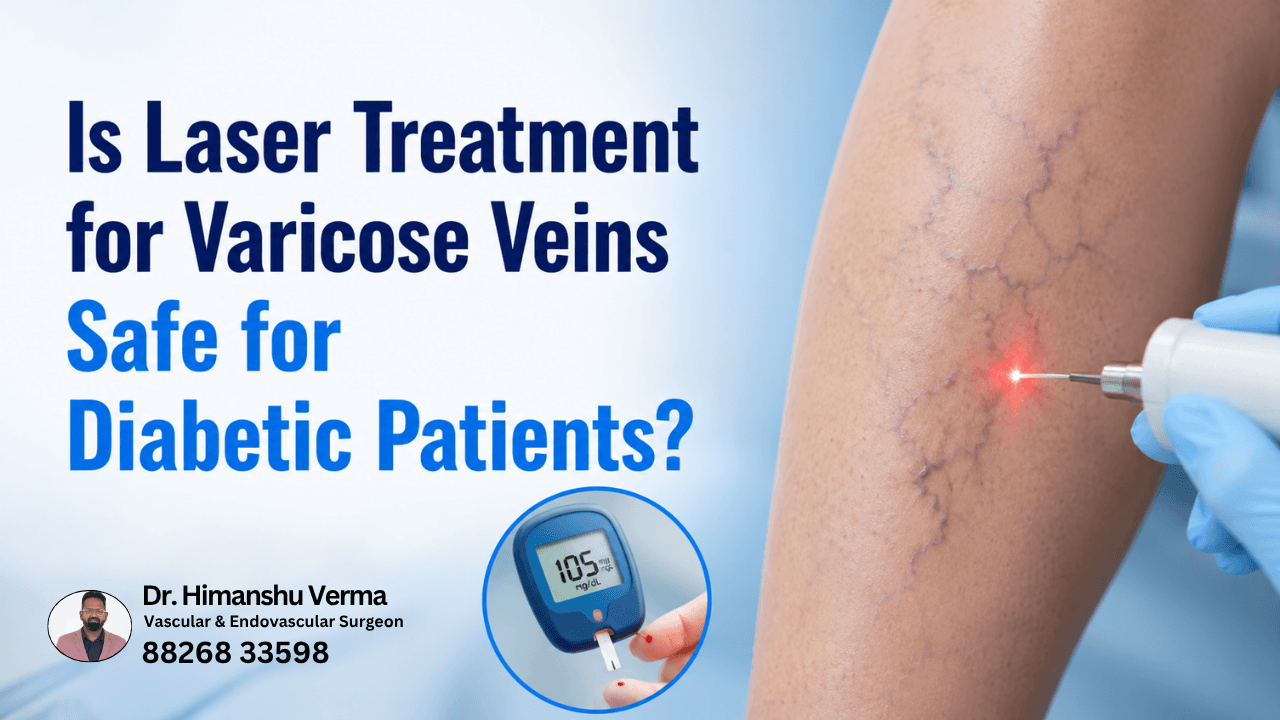
Living with diabetes already means keeping a close eye on your health — blood sugar levels, wound healing, circulation, and more. So when varicose veins show up on top of that, it's natural to wonder whether treating them is even worth the risk. Many diabetic patients assume that any surgical or laser-based procedure could complicate their condition or slow down healing. The good news is that modern vein care has moved well past the days of long incisions and lengthy hospital stays.
Today, laser treatment for varicose veins is considered one of the safest and most effective options available — even for people managing diabetes. But safety isn't automatic; it depends on how well-controlled the diabetes is, how the procedure is performed, and who is performing it. This blog breaks down exactly what diabetic patients need to know before considering this treatment.
Understanding Varicose Veins and Why They're Common in Diabetics
Varicose veins develop when the valves inside leg veins weaken, causing blood to pool instead of flowing efficiently back to the heart. This results in bulging, twisted veins, along with swelling, heaviness, and aching legs. Diabetic patients are particularly prone to this because prolonged high blood sugar can damage blood vessel walls and reduce overall vascular elasticity over time.
Poor circulation is already a known complication of diabetes, and when it's paired with valve failure in the veins, the risk of complications like skin discoloration, ulcers, and infections increases. This is precisely why many diabetic patients are advised not to ignore vein-related symptoms. If you're unsure whether what you're experiencing qualifies as a warning sign, this guide on symptoms of varicose veins you should not ignore is a useful starting point.
What Makes Laser Treatment Different From Traditional Surgery
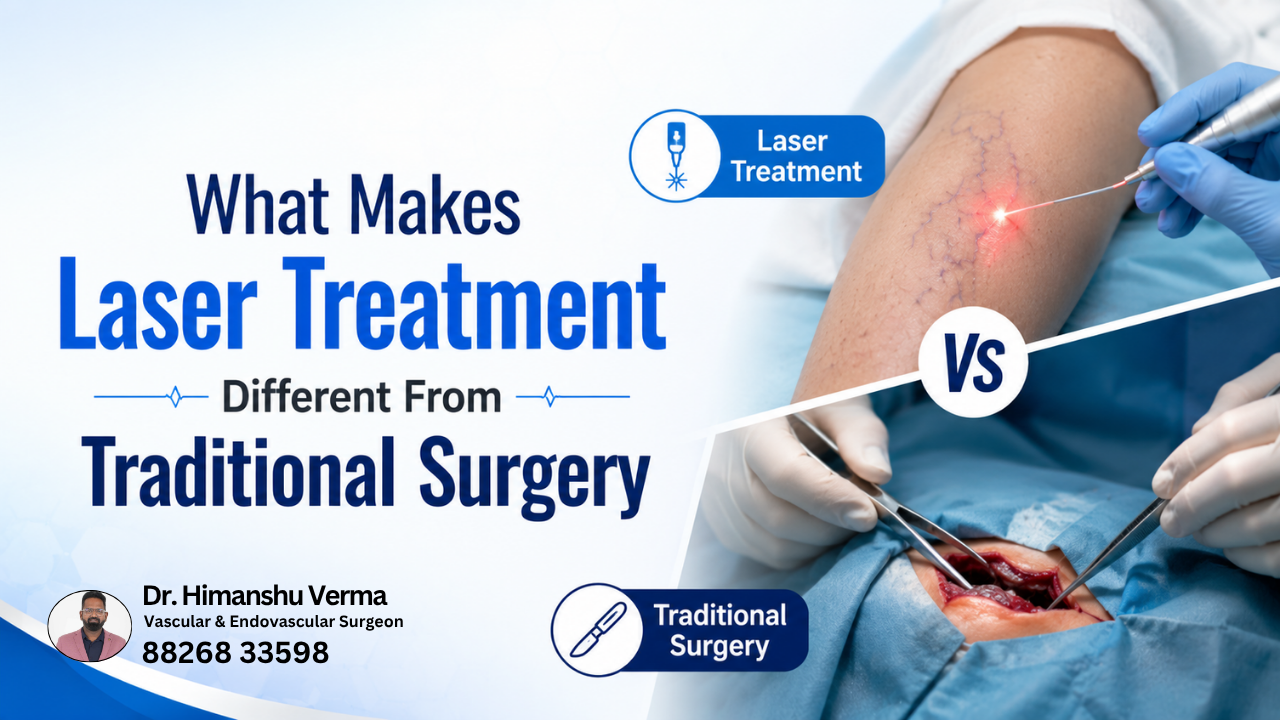
Laser treatment, medically known as Endovenous Laser Ablation (EVLA or EVLT), uses focused laser energy delivered through a thin catheter to seal off the damaged vein from the inside. Unlike traditional vein stripping surgery, there are no large cuts, no general anesthesia in most cases, and no overnight hospital stay required.
This matters a great deal for diabetic patients because:
Smaller entry points mean a lower risk of infection compared to open surgery
Local anesthesia reduces strain on the cardiovascular system
Faster recovery lowers the time the body spends healing an open wound
Minimal blood loss reduces stress on an already compromised vascular system
Because diabetic patients often have slower wound healing due to impaired circulation, minimizing tissue trauma is one of the biggest safety advantages that laser-based procedures offer.
Is Laser Treatment for Varicose Veins Actually Safe for Diabetics?
In most cases, yes — laser treatment for varicose veins is considered safe for diabetic patients, provided their blood sugar levels are reasonably well controlled at the time of the procedure. Vascular surgeons typically evaluate a few key factors before recommending the treatment:
1. Blood Sugar Control Patients with consistently high or poorly managed HbA1c levels may face a higher risk of delayed healing or infection at the catheter insertion site. Surgeons usually prefer stable glucose levels before proceeding.
2. Peripheral Artery Disease (PAD) Status Diabetes can sometimes coexist with reduced arterial blood flow. A thorough vascular assessment ensures the leg has adequate circulation to support healing after the procedure.
3. Nerve Sensitivity (Neuropathy): Diabetic neuropathy can affect how patients perceive pain or discomfort during recovery, so surgeons often monitor healing more closely in these cases.
4. Skin Condition: Since diabetic skin can be more fragile or prone to slow healing, the surgeon examines the treatment area carefully beforehand to rule out any existing skin damage or ulcers.
When these factors are properly assessed, laser treatment tends to be a low-risk, outpatient procedure with a strong safety profile — often safer than traditional vein stripping surgery, which carries higher risks of bleeding, scarring, and infection.
How Diagnosis Plays a Role in Treatment Safety
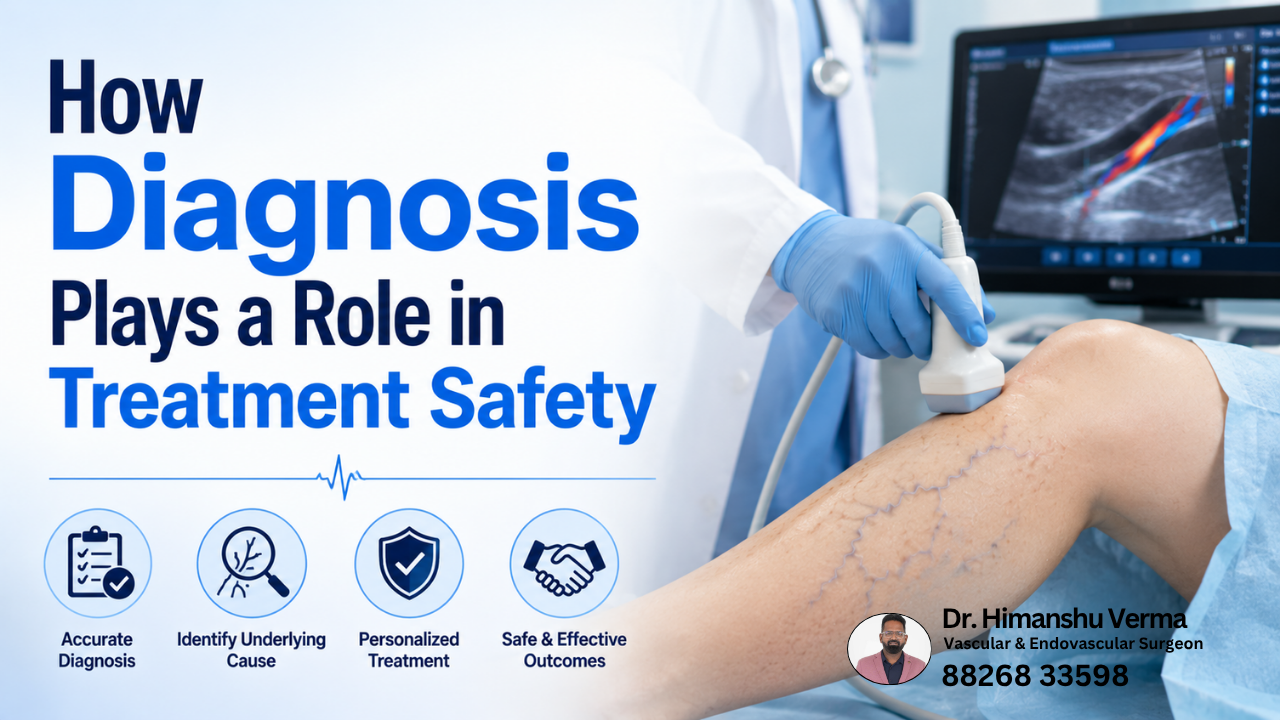
Before any laser procedure is recommended, proper diagnostic evaluation is essential — this step becomes even more critical for diabetic patients. Doppler ultrasound imaging is typically used to map out the affected veins, assess blood flow direction, and rule out any underlying arterial insufficiency.
This diagnostic clarity helps the surgeon customize the treatment plan around the patient's overall vascular health rather than applying a one-size-fits-all approach. If you'd like to understand how this diagnostic process actually works, this detailed explainer on how varicose veins are diagnosed walks through the tests and procedures involved.
What Recovery Looks Like for Diabetic Patients
Recovery after laser treatment for varicose veins is generally quick, with most patients resuming light daily activities within a day or two. For diabetic patients specifically, a few additional precautions are usually recommended:
Keeping the treated leg clean and dry to prevent infection
Wearing prescribed compression stockings to support circulation
Monitoring the treated area for any unusual redness, swelling, or delayed healing
Maintaining stable blood sugar levels throughout the recovery period
Attending follow-up visits so the surgeon can track healing progress closely
Because diabetic patients heal at a slightly different pace, follow-up monitoring tends to be more frequent, not because the procedure itself is riskier, but because early detection of any healing delay makes a significant difference.
Why Choosing the Right Specialist Matters
Not every vein treatment provider evaluates diabetic-specific risk factors with the same level of care. A qualified vascular and endovascular surgeon will assess your complete medical history, current glucose control, and vascular health before recommending laser treatment — rather than treating it as a routine, standardized procedure.
This is where experience genuinely makes a difference in outcomes. For patients in Gurgaon exploring their options, this overview of varicose veins treatment in Gurgaon outlines what a comprehensive, personalized evaluation typically involves.
Final Thoughts
Diabetes doesn't automatically rule out laser treatment for varicose veins — in fact, for many patients, it's a safer and gentler alternative to traditional surgery when managed under proper medical supervision. The key lies in careful pre-procedure evaluation, good glucose control, and choosing a specialist who understands how diabetes and vascular health intersect.
If you're a diabetic patient dealing with varicose veins and unsure about your treatment options, it's worth having a proper vascular assessment before making a decision. Dr Himanshu Verma, a vascular and endovascular surgeon based in Gurgaon, works with patients to evaluate individual risk factors and recommend the safest path forward based on their specific health profile.