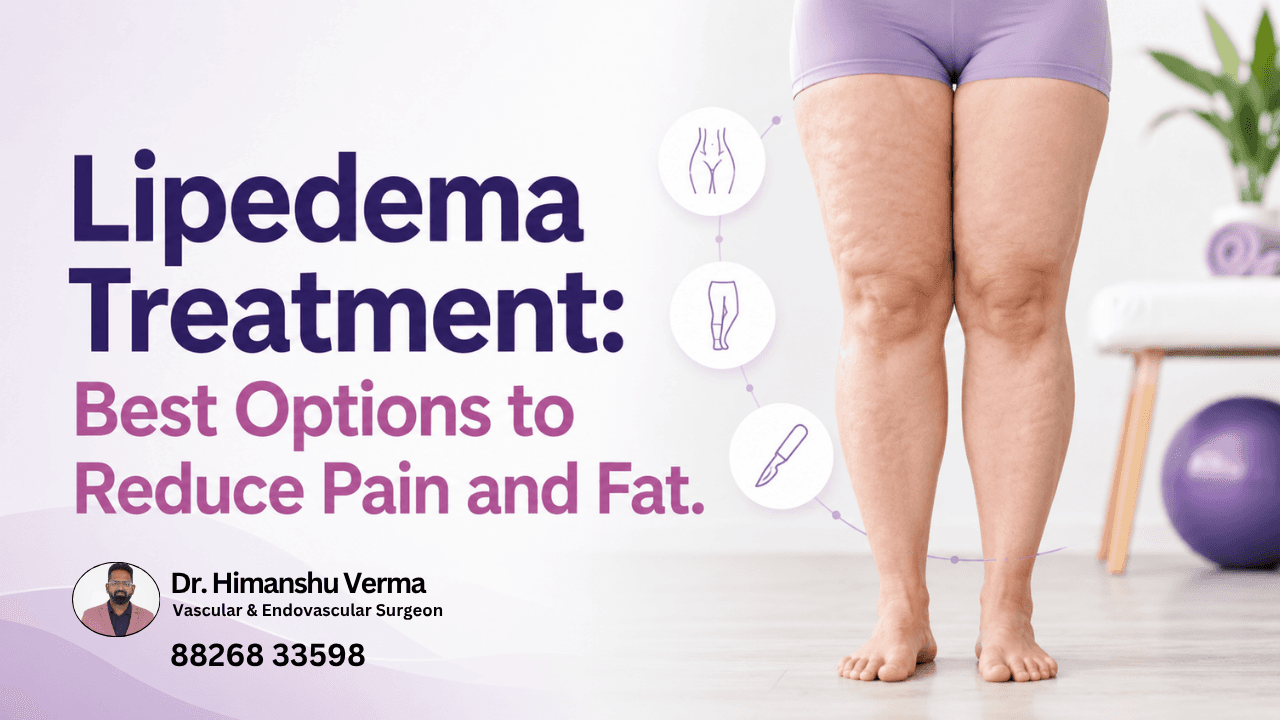
If you have ever sat in a doctor's office and been told that your painful, heavy legs are because you need to lose weight, you already know how defeating that feels. You try dieting. You exercise. Nothing changes. The fat stays exactly where it was, and the pain does not stop.
This experience is shared by countless women across India who are living with a condition that most doctors in general practice miss entirely. That condition is lipedema, and the right lipedema treatment can change your life.
This blog is written for you, the patient who has been dismissed, misunderstood, or simply never given the right information. Dr Himanshu Verma, a specialist in vascular and endovascular surgery practising at Fortis Memorial Research Centre, Gurugram, shares everything you need to know about lipedema treatment in plain, simple language.
What Is Lipedema? Understanding Painful Fat Syndrome
Lipedema is a chronic medical condition that causes abnormal fat distribution, most commonly in the legs, thighs, hips, and sometimes the arms. It is not simply weight gain. The fat in lipedema is structurally different from normal fat. It is painful to touch, grows in a disproportionate and symmetrical pattern, and crucially, it does not respond to diet or exercise the way regular fat does.
This is why lipedema Leg is often referred to as painful fat syndrome. The fat itself carries nerve sensitivity that causes tenderness, bruising, and a feeling of constant heaviness. It is not about how the person looks. It is about how they feel every single day.
Lipedema primarily affects women and is believed to be connected to hormonal changes, which is why it often begins or worsens during puberty, pregnancy, or menopause. There is also a genetic component, meaning it can run in families.
Understanding what lipedema truly is helps in appreciating why lipedema treatment is so different from a regular weight loss program.
What Are the Common Lipedema Symptoms?
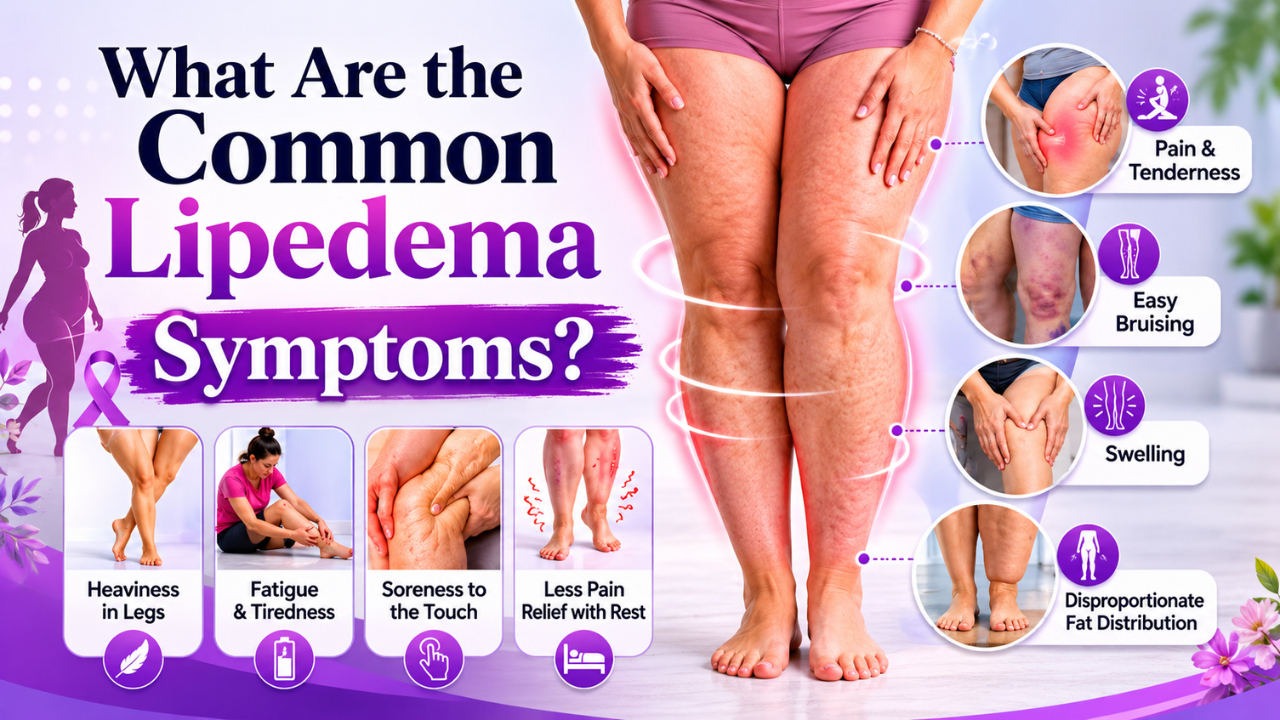
Recognising lipedema symptoms early is one of the most important steps toward getting appropriate lipedema treatment. Many patients spend years being treated for the wrong condition because the symptoms of lipedema are easy to confuse with other problems.
Here is what to look for:
● Disproportionate lower body: Fat accumulates on the thighs, hips, legs, but stops at the ankles, leaving the feet and hands unaffected.
● Pain and tenderness to touch: Even light pressure on the affected areas causes discomfort or pain.
● Easy bruising: Patients bruise with very little impact, sometimes without knowing how they got a bruise at all.
● Heavy, tired legs: A feeling of constant heaviness in the legs, especially by the end of the day.
● Swelling that worsens with heat or standing: Symptoms become more noticeable in hot weather or after long periods of standing or sitting.
● No improvement with dieting or exercise: The affected fat does not reduce even with significant effort, while weight may reduce from other parts of the body.
● Skin texture changes: The skin over affected areas may feel soft and doughy, or small lumps may be felt underneath.
The Four Stages of Lipedema: Where Are You in Your Journey?
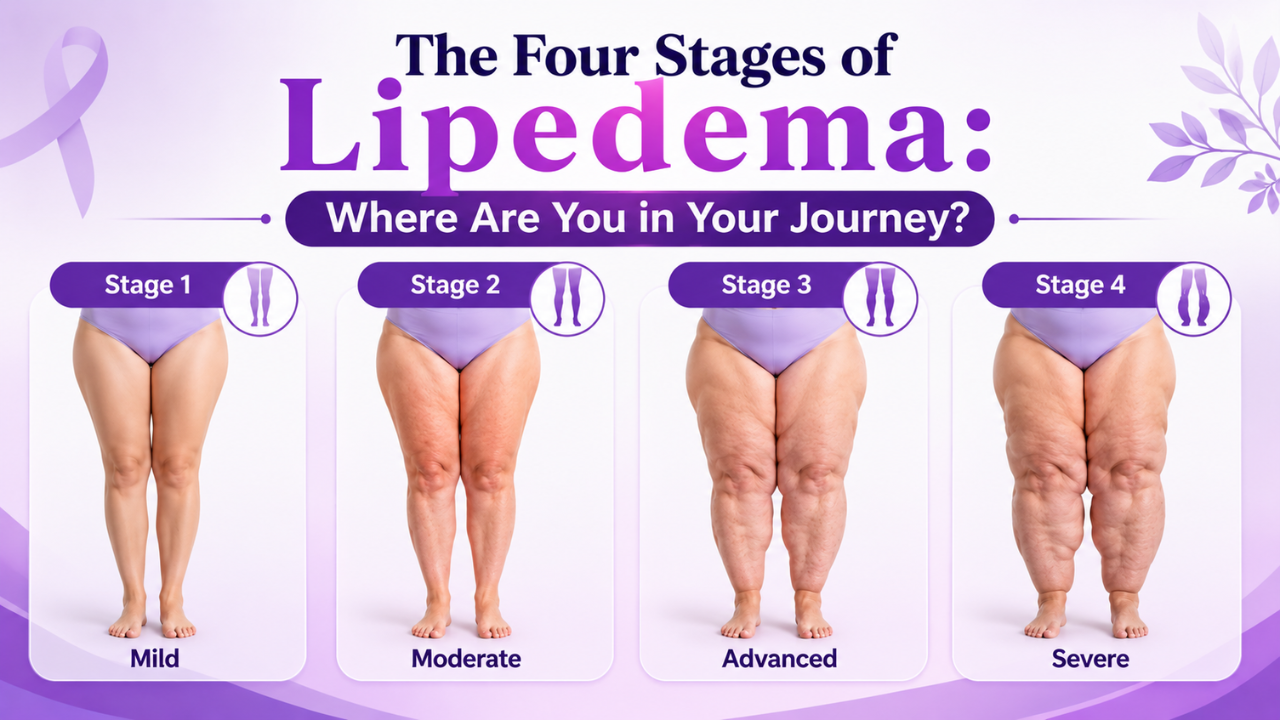
Lipedema is a progressive condition, which means it tends to get worse over time without proper lipedema treatment. Knowing the lipedema stages helps doctors plan the most appropriate course of care.
Stage 1: The skin surface still looks smooth and even, but the underlying fat tissue is already enlarged and sensitive. Pain is mild at this point. Lipedema treatment started at this stage tends to be most effective.
Stage 2: The skin begins to show unevenness. You may notice a pebbly or lumpy texture under the surface. The fat tissue has increased, and pain and heaviness are more noticeable.
Stage 3: Large folds of fat may develop around the inner thighs and knees, making movement uncomfortable. The volume of affected fat is significant, and conservative lipedema treatment may need to be combined with surgical options.
Stage 4: This is the most advanced stage, where lipedema begins to affect the lymphatic system as well. This combined condition is called lipo-lymphedema and requires specialised lipedema treatment that addresses both the fat and the lymphatic involvement.
Starting lipedema treatment at any stage brings benefit, but earlier is always better.
How Is Lipedema Diagnosed?
Currently, there is no specific blood test or imaging scan that diagnoses lipedema on its own. Lipedema diagnosis is primarily clinical, meaning it is based on a detailed examination, patient history, and the ruling out of other conditions.
Dr Himanshu Verma at Fortis Memorial Research Centre, Gurugram, follows a structured diagnostic process that includes:
● A thorough review of your medical and family history
● Examination of the pattern and texture of fat distribution
● Assessment of pain response and bruising tendency
● Lymphatic evaluation to rule out lymphedema
● Staging of lipedema based on clinical findings
Patients from Gurgaon, Delhi NCR, Noida, and Haryana visit Dr. Verma's clinic for this kind of comprehensive evaluation, which is the essential first step before any lipedema treatment plan is put in place.
Lipedema Treatment: A Complete Look at Your Options
The most important thing to understand before beginning lipedema treatment is this: lipedema is managed, not instantly cured. It takes time, consistency, and the right combination of approaches. The goal of lipedema treatment is to reduce pain, slow progression, improve mobility, and give you back a better quality of life.
There are two main approaches to lipedema treatment:
Conservative Lipedema Treatment Options
Conservative lipedema treatment is where most patients begin. These methods are non-invasive, well-tolerated, and genuinely effective when maintained consistently. For many patients, especially those in earlier stages, conservative lipedema treatment provides excellent relief without ever needing surgery.
Important: Multiple sessions are required across all conservative lipedema treatment methods. Results build over time. Please do not expect a change after one or two visits.
1. Compression Therapy
Compression therapy is one of the most foundational parts of any lipedema treatment plan. It involves wearing medically prescribed compression garments, stockings, or bandaging systems that apply controlled pressure to the affected limbs.
How compression therapy helps in lipedema treatment:
● Reduces swelling and fluid accumulation in the tissues
● Eases the sensation of heaviness and tightness in the legs
● Slows the progression of fat buildup over time
● Supports lymphatic fluid movement throughout the day
● Reduces pain during daily activities
Compression garments need to be correctly fitted by a trained professional. Garments that are too tight or too loose can do more harm than good. As part of a structured lipedema treatment program, compression therapy is typically worn daily, with the type and pressure adjusted over time based on how you respond.
2. Manual Lymphatic Drainage (MLD)
Manual Lymphatic Drainage, commonly known as MLD, is a specialised, gentle massage technique that stimulates the lymphatic system to move fluid out of congested areas. It is a deeply important component of lipedema treatment, especially because lipedema often involves some degree of lymphatic sluggishness.
MLD is performed by a trained therapist and is very different from a standard massage. It uses light, rhythmic strokes that follow the direction of lymphatic flow.
What MLD does as part of lipedema treatment:
● Reduces fluid buildup and tissue swelling
● Lowers inflammation in the affected fat tissue
● Reduces tenderness and tightness
● Supports the effectiveness of compression therapy
● Provides some relief from pain and heaviness
Multiple sessions of MLD are required to see meaningful results. Many patients begin with several sessions per week and then maintain progress with monthly or fortnightly follow-ups. MLD is most effective when combined with compression therapy as part of a complete lipedema treatment plan.
3. Physiotherapy and Exercise
Exercise cannot remove lipedema fat, but it plays a crucial supporting role in lipedema treatment. The right kind of movement helps manage inflammation, supports lymphatic drainage, maintains joint health, and improves overall physical and emotional well-being.
The key is choosing low-impact activities that do not cause pain or worsening of lipedema symptoms.
Recommended movement as part of lipedema treatment:
● Swimming and water-based exercise: The water pressure acts like natural compression, making it one of the best forms of exercise for lipedema patients.
● Walking: Gentle, regular walking supports circulation without causing excessive joint strain.
● Cycling: Low-resistance cycling on a stationary or flat terrain bike is well tolerated.
● Yoga and stretching: Helps with flexibility, reduces stress, and supports lymph flow through movement.
● Targeted physiotherapy exercises: A physiotherapist experienced in lipedema treatment will design a program that accounts for your stage and symptoms.
Long-term care through regular physical activity is one of the pillars of effective lipedema treatment. It should be part of your routine even after symptoms improve.
4. Anti-Inflammatory Diet for Lipedema
Food will not cure lipedema, but it can meaningfully influence how the condition behaves. An anti-inflammatory diet for lipedema helps reduce the chronic low-grade inflammation that drives fat growth and pain in this condition.
An anti-inflammatory diet for lipedema typically includes:
● Leafy greens, colourful vegetables, and fruits high in antioxidants
● Omega-3 fatty acids from sources like fatty fish, walnuts, and flaxseeds
● Whole grains and high-fibre foods that support gut and immune health
● Reducing or eliminating processed foods, refined sugars, and fast food
● Staying well hydrated with water and herbal teas
● Limiting alcohol, which can worsen swelling
Some patients also explore a ketogenic or low-carbohydrate approach as part of their lipedema treatment diet, as reducing insulin levels may reduce inflammation. However, any significant dietary change should be discussed with your treating doctor.
A lipedema diet is a supportive layer of lipedema treatment, not a replacement for medical care.
5. Lipedema Medication
There is currently no medication that directly treats or reverses lipedema. However, certain lipedema medication options can help manage symptoms and support the effectiveness of other lipedema treatment approaches.
Medications sometimes used in lipedema treatment include:
● Anti-inflammatory pain relief to manage tenderness and discomfort
● Medications to support lymphatic function
● Selenium supplements, which some clinical research suggests may support lymphatic tissue health
● Blood flow-supporting medications in cases where vascular involvement is present
Your doctor will prescribe lipedema medication based on your individual symptom profile, overall health, and what other lipedema treatment methods you are already using.
Surgical Lipedema Treatment Options
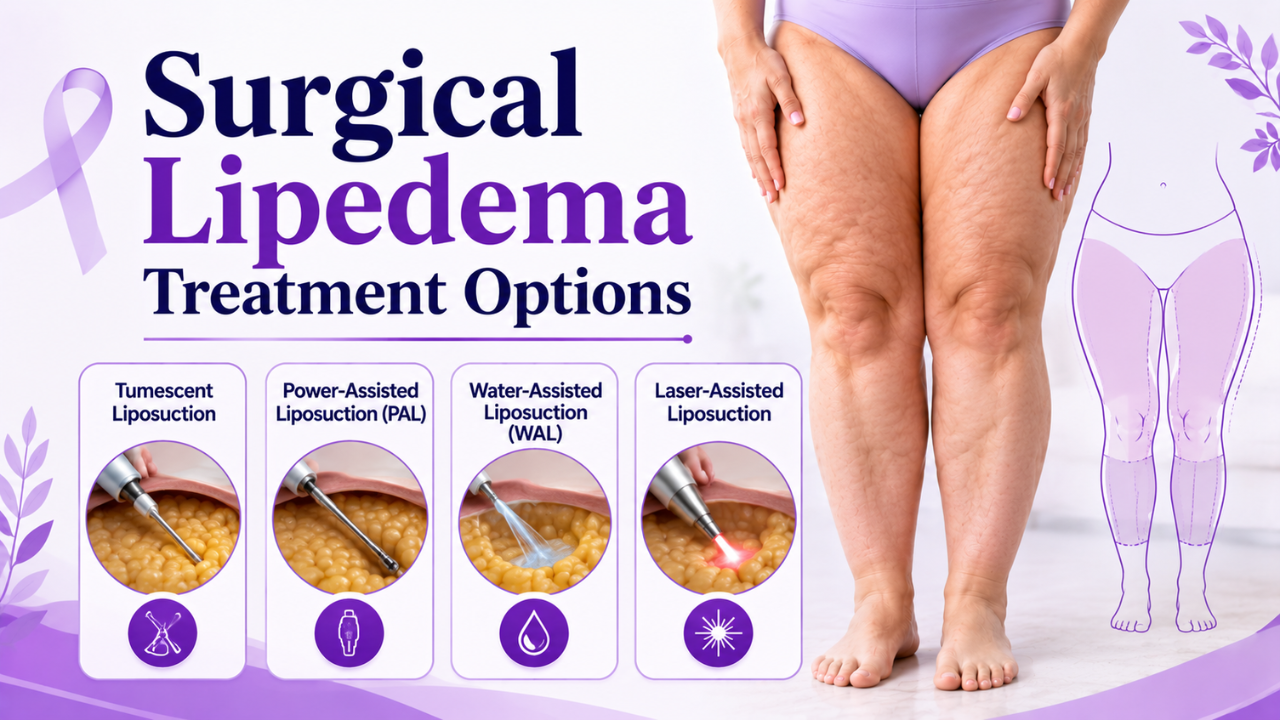
When conservative lipedema treatment is not enough, and quality of life is significantly affected, lipedema surgery becomes a serious option worth discussing with your specialist.
It must be clearly understood that lipedema surgery is not cosmetic surgery. The goal is not to change how you look for aesthetic reasons. The goal is to remove the diseased fat tissue that is causing pain, limiting movement, and damaging quality of life.
Not all patients need surgery. Treatment depends on your condition, the stage of lipedema you are in, and how well you have responded to conservative lipedema treatment.
1. Liposuction for Lipedema
Liposuction for lipedema is a specialised form of fat removal that is fundamentally different from the cosmetic liposuction most people are familiar with. When performed by an experienced specialist, liposuction for lipedema carefully removes the abnormal fat tissue while taking great care to preserve the surrounding lymphatic vessels.
This is critically important because damage to the lymphatic system during surgery can cause or worsen lymphedema. A surgeon experienced specifically in lipedema surgery understands the anatomy of the condition and uses techniques designed to protect these structures.
Patients who undergo liposuction for lipedema often report significant and lasting reduction in pain, improved mobility, and a much better overall quality of life.
2. Water-Assisted Liposuction for Lipedema
Water-assisted liposuction is one of the most preferred forms of lipedema surgery currently available. In this technique, a controlled, gentle jet of water is used to loosen the fat cells before they are removed. This makes the process gentler on surrounding tissues, including the fragile lymphatic vessels.
Why water-assisted liposuction is well-suited to lipedema treatment:
● Reduced trauma to lymphatic and connective tissue
● Less bruising and swelling compared to older techniques
● Faster recovery time after surgery
● Lower risk of lymphatic damage
● High reported satisfaction among lipedema patients
3. Tumescent Liposuction for Lipedema
Tumescent liposuction for lipedema involves injecting a special solution of saline, local anaesthetic, and adrenaline into the fatty tissue before removal. This causes the tissue to become firm and swollen, making it easier and safer to remove precisely.
Benefits of tumescent liposuction in lipedema treatment:
● Significantly reduced blood loss during the procedure
● Effective local anaesthesia reduces the need for general anaesthesia in some cases
● Precise fat removal with reduced risk to surrounding structures
● Well-established safety record in lipedema surgery
Both water-assisted and tumescent liposuction for lipedema are performed on an outpatient or short-stay basis in most cases, and patients are guided through compression therapy and physiotherapy in the weeks following surgery to protect and maintain results.
The Honest Reality of Lipedema Treatment: What Every Patient Needs to Hear
Dr Himanshu Verma believes that the most valuable thing a doctor can give a patient is honesty. So here is the honest reality of lipedema treatment:
● Lipedema is managed, not instantly cured. There is currently no one-time solution that eliminates lipedema completely. Lipedema treatment is a long-term commitment.
● Multiple sessions are required. Whether it is MLD, physiotherapy, compression adjustments, or post-surgical follow-up, lipedema treatment is delivered over time, not in a single appointment.
● Long-term care is essential. Even patients who have surgery need to continue with compression therapy, diet management, and regular check-ups to maintain their results.
● Progress may feel slow, but it is real. Patients who commit to their lipedema treatment plan consistently see meaningful improvements in pain levels, mobility, and quality of life.
● You are not failing. If lipedema treatment feels hard and progress feels slow, that is not your fault. Lipedema is a complex medical condition. Your commitment is what moves the needle.
Lipedema Treatment in Gurgaon, Delhi NCR, Noida and Haryana: When Should You See a Specialist?
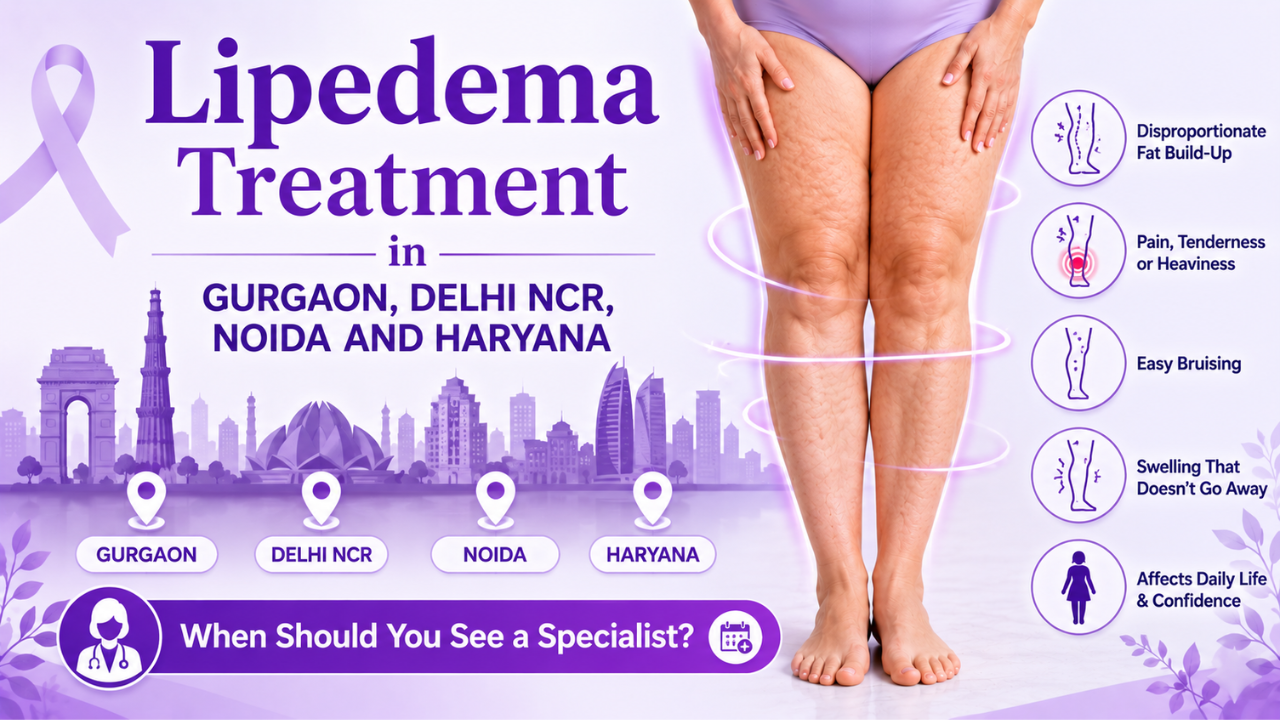
If you are experiencing any combination of the following, it is time to seek a specialist consultation for lipedema treatment:
● Persistent leg pain or tenderness that has not improved with diet and exercise
● Disproportionately heavy lower body that does not respond to weight loss efforts
● Unexplained bruising or swelling in the legs or arms
● A family history of similar symptoms
● Being told you have lymphedema or obesity when something does not feel right about that diagnosis
The earlier you seek lipedema treatment, the better your chances of managing the condition before it progresses to a more advanced stage. Dr Himanshu Verma is available for consultations at Fortis Memorial Research Centre, Gurugram, serving patients across Gurgaon, Delhi NCR, Noida, and Haryana.
Conclusion: Your Journey to Better Lipedema Treatment Starts Here
Living with lipedema is genuinely difficult. The pain, the heaviness, the frustration of trying everything and seeing no change, and the years of being misunderstood by the medical system, all of it takes a toll. But lipedema treatment, when delivered by the right specialist and followed consistently, can give you back so much of what this condition has taken.
From the gentleness of manual lymphatic drainage and compression therapy to the precision of water-assisted liposuction, today's lipedema treatment options are more effective and better understood than ever before. What matters most is starting with an accurate diagnosis, connecting with a specialist who knows this condition deeply, and committing to a personalised, long-term treatment plan.
Contact Dr Himanshu Verma for Lipedema Treatment Today
You have lived with pain long enough. If you suspect you may have lipedema, or if you have already been diagnosed and are looking for a specialist who truly understands lipedema treatment, reach out to Dr Himanshu Verma's team today.
Phone: 88268 33598
Email: varenyamvascular@gmail.com
Location: Fortis Memorial Research Centre, Opposite HUDA City Centre, Sector 44, Gurugram, Haryana 122003
Do not wait for your symptoms to worsen. Book your consultation and take the first step toward effective lipedema treatment and other services offered by Dr Himanshu Verma at Fortis Memorial Research Centre, Gurugram. Do not wait for your symptoms to worsen. Book your consultation and take the first step toward effective lipedema treatment.