
If you have diabetes and you notice a small sore, redness, or wound on your foot, do not ignore it. An early stage diabetic foot ulcer can look very minor, but it can become serious very quickly if you do not take action. The good news is that when caught early, most cases can be treated without surgery. This blog will explain everything you need to know in simple language, so you can protect your feet and your health.
What Is an Early Stage Diabetic Foot Ulcer?
A diabetic foot ulcer is an open wound or sore that develops on the foot of a person with diabetes. It happens because diabetes affects blood flow and nerve function in the feet. When the nerves are damaged, you may not feel pain even when there is a cut or injury. When blood flow is poor, the wound does not heal on its own.
An early-stage diabetic foot ulcer usually starts small. It may look like a diabetic foot blister, a red patch, or a shallow open sore. A diabetic foot blister should never be ignored because it can quickly develop into an early-stage diabetic foot ulcer if left untreated. At this stage, the wound has not gone deep into the skin or tissue yet. This is the best time to start treatment because the chances of full recovery are very high.
What Are the Early Signs of a Diabetic Ulcer?

Many people with diabetes miss the early signs because their feet do not always hurt. Here is what to look for:
On the skin:
● A small red or pink patch that does not go away after a day or two
● Skin that looks darker than the area around it
● Skin that feels warm or swollen when you touch it
● A blister or callus that has broken open
● Dry, cracked skin, especially near the heel
On the wound itself:
● A shallow sore or break in the skin that is not healing
● A wound that leaks fluid or has a mild smell
● Skin that looks white, yellow, or dull around the sore
In how you feel:
● Tingling or numbness in your feet
● Burning feeling in the toes or sole
● Pain or pressure when walking, or sometimes no pain at all, even with a visible sore
An early stage diabetic foot ulcer may not be painful. This is exactly why it is dangerous. Many patients do not notice until the wound has already gotten bigger. Checking your feet every day is one of the most important habits you can build.
What Does a Stage 1 Foot Ulcer Look Like?
Doctors use a grading system to describe how serious a diabetic foot ulcer is. Stage 1 or Grade 1 is the earliest stage, where the wound has just broken through the surface of the skin.
Here is what a Stage 1 early-stage diabetic foot ulcer typically looks like:
● A shallow open sore that has gone through the top layer of skin
● The base of the wound may look pink or red
● There is no deep hole or tunnel in the wound yet
● The surrounding skin may be slightly swollen or red
● There is no bone, tendon, or joint visible inside the wound
● There may or may not be some clear or slightly yellowish fluid
Before Stage 1, there is sometimes what doctors call Stage 0, which is a closed wound, such as a diabetic foot blister or a very red patch that has not opened yet. Treating the foot at Stage 0 or Stage 1 gives the best results.
Can You Walk with a Diabetic Foot Ulcer?
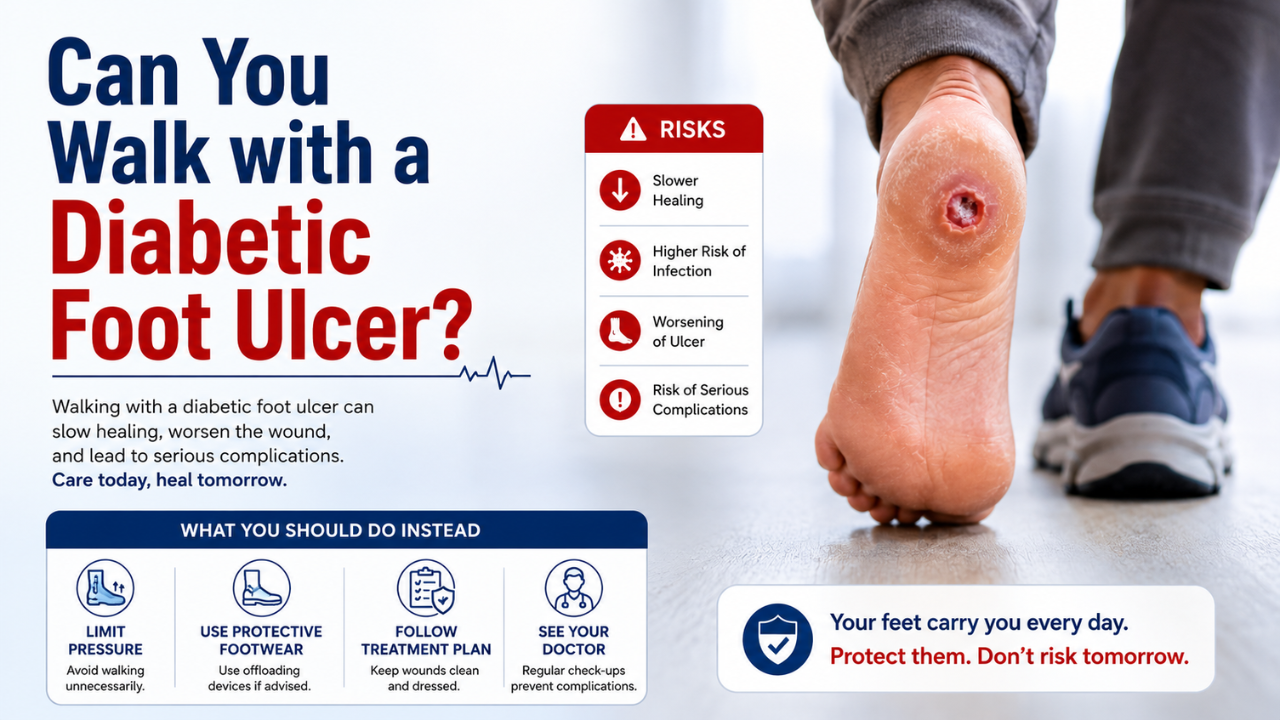
This is a very common question. The short answer is: it depends on where the ulcer is and how serious it is, but you should always check with your doctor before walking normally.
Walking on an unprotected early stage diabetic foot ulcer creates pressure on the wound. This pressure slows down healing and can push the wound deeper into the tissue. This is called offloading, and it is a major part of early treatment.
Here is what you should know:
● You should NOT walk barefoot if you have a diabetic foot ulcer
● You should NOT wear tight shoes that press on the wound
● You should use special diabetic footwear, padded insoles, or a total contact cast as advised by your doctor
● Short, careful walking is usually allowed, but putting full weight on an open wound is not
● If the sore is on the bottom of your foot, your doctor may ask you to rest more and reduce pressure
The goal is not to stop moving your life. The goal is to give the wound the best chance to heal. A vascular specialist will assess your wound and guide you on how much activity is safe for you.
Why Do Diabetic Foot Ulcers Happen?
Understanding why this happens can help you prevent it from getting worse. Diabetes, when not well controlled, affects two important things in your feet. First, it damages the small nerves. You may lose the ability to feel heat, cold, pain, or pressure. Second, it damages the small blood vessels. Less blood reaches the feet, which means the skin and tissue do not get enough oxygen and nutrients to stay healthy and heal properly.
Because of nerve damage, even a small pebble in your shoe or a tight spot in your sock can cause a wound without you knowing. Because of poor blood flow, that small wound does not heal on its own. Over days and weeks, it becomes an early-stage diabetic foot ulcer.
Common triggers include:
● Poorly fitting shoes
● Walking barefoot indoors or outdoors
● Small cuts from nail trimming
● Cracks in dry skin, especially on the heel
● Diabetic foot blisters caused by new or ill-fitting footwear
● Corns or calluses that are ignored
What Should You Do Immediately If You Notice a Wound?
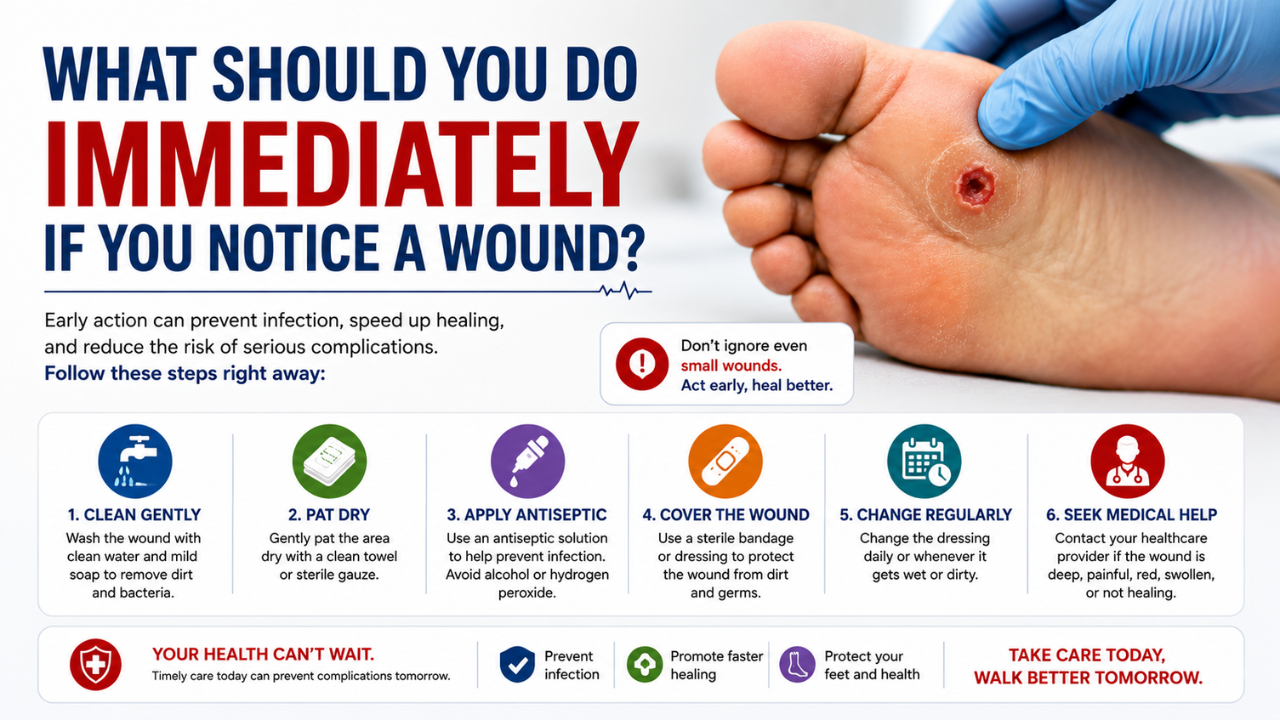
If you spot a sore or open area on your foot, here are the steps to follow right away:
● Step 1:Do not ignore it. Even if it is small and does not hurt, take it seriously. An early stage diabetic foot ulcer can grow quickly.
● Step 2:Do not walk on it with bare feet. Wear clean, soft, padded footwear or diabetic slippers.
● Step 3:Do not try to treat it yourself with strong antiseptics like neat Dettol or hydrogen peroxide. These can damage the soft tissue around the wound.
● Step 4:Gently clean the wound with normal saline or clean water and cover it with a clean sterile dressing.
● Step 5:Check your blood sugar. High blood sugar slows down healing. Bring it under control with your diabetes medicines or insulin.
● Step 6:See a vascular specialist as soon as possible. Early treatment is the key to avoiding amputation or serious complications.
How Is an Early Stage Diabetic Foot Ulcer Treated?
diabetic foot ulcer Treatment depends on the size and depth of the wound, your blood sugar levels, and how much blood is reaching the area. Not all patients need surgery. In many early cases, simple treatment steps are enough.
Common treatment options include:
● Wound care and dressing:The wound is cleaned and covered with special medical dressings that keep it moist and protect it from infection. This needs to be done regularly by a trained nurse or doctor.
● Offloading:Taking pressure off the wound using special footwear, a cast, or a boot. This is one of the most important steps in healing.
● Blood sugar control:Your diabetes medicines may be adjusted to keep blood sugar in a good range, since high sugar blocks healing.
● Antibiotics:If there is a sign of infection like warmth, redness spreading around the wound, pus, or fever, antibiotics are given.
● Improving blood flow:If your blood vessels are narrowed and not enough blood is reaching the foot, a vascular specialist may recommend a procedure to open the vessels. This can be done without major surgery in many cases.
● Surgery:In more advanced cases, surgery may be needed to remove dead tissue or to bypass blocked vessels. However, when an early stage diabetic foot ulcer is caught in time, surgery is often not needed.
Treatment depends on your condition. Every patient is different, and a vascular specialist will build a plan that fits your needs.
How Can You Prevent a Diabetic Foot Ulcer from Getting Worse?
Once you have been treated, these steps will help prevent a Diabetic Foot Ulcer your feet going forward:
● Check your feet every single day, including the soles and between the toes. Use a mirror if needed.
● Wash your feet in lukewarm water, not hot water. Dry them gently, including between the toes.
● Moisturize your feet daily, but do not apply cream between the toes.
● Cut your toenails straight across and not too short. Ask a healthcare professional for help if needed.
● Always wear well-fitting diabetic footwear. Never walk barefoot.
● Do not smoke. Smoking narrows blood vessels and makes foot complications much worse.
● Keep your blood sugar, blood pressure, and cholesterol under control.
● Visit your doctor regularly for foot checkups, even when there is no visible problem.
When Should You See a Vascular Specialist?
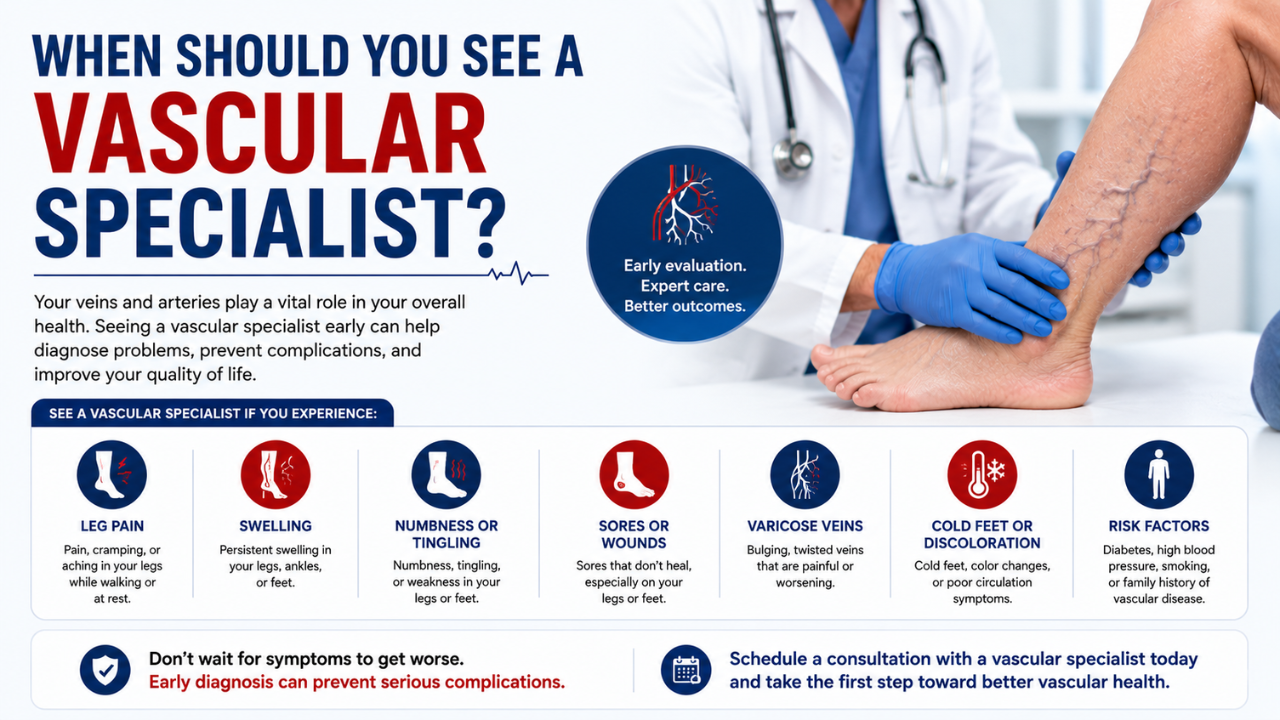
You should see a vascular specialist if you notice any of the following:
● Any open sore or wound on your foot that has not healed in one to two weeks
● Redness, warmth, or swelling around a wound
● A wound that is getting bigger even with basic care
● Fluid or pus coming from a wound
● Dark or black skin near a sore
● Numbness or tingling that is getting worse
● Coldness in the foot or leg
● Pain in the leg when walking, even without a visible wound
Patients across Gurgaon, Delhi NCR, Noida, and Haryana should not travel far to get expert care. Dr. Himanshu Verma is available to evaluate your circulation, treat the wound, and protect your limb with the right plan. A vascular specialist can make all the difference when it comes to saving your foot and your quality of life.
Take the First Step Toward Healing Your Early Stage Diabetic Foot Ulcer
Consult with Dr. Himanshu Verma, an experienced vascular and endovascular specialist at Fortis Memorial Research Centre, who focuses on advanced, limb-saving treatments for early stage diabetic foot ulcers and complex vascular conditions.
Call Now: 88268 33598
Email: varenyamvascular@gmail.com
Visit:Fortis Memorial Research Centre, Opposite HUDA City Centre, Sector 44, Gurugram, Haryana 122003
Don't delay care. When caught early, most early stage diabetic foot ulcers can heal completely without surgery, and serious complications like amputation can be avoided. Book your consultation today and take the first step toward recovery. You can also explore other services, including vascular screenings, preventive vascular check-ups, minimally invasive procedures, second opinions for vascular conditions, and personalised long-term care plans designed to protect your limb and overall health.
Final Words: Do Not Wait
An early stage diabetic foot ulcer is manageable. The earlier you act, the better the outcome. Most patients who receive timely treatment do not need surgery, do not lose their foot, and recover well.
If you or someone you know has diabetes and has noticed a wound, redness, or sore on the foot, please do not wait. Consult a vascular specialist today.
Patients in Gurgaon, Delhi NCR, Noida, and Haryana do not have to face this alone. Expert vascular care is available close to you. Take the first step toward healing, reach out and book a consultation now.
Remember: Not all patients need surgery. Treatment depends on your condition. The sooner you get help, the simpler the treatment and the better the recovery.